
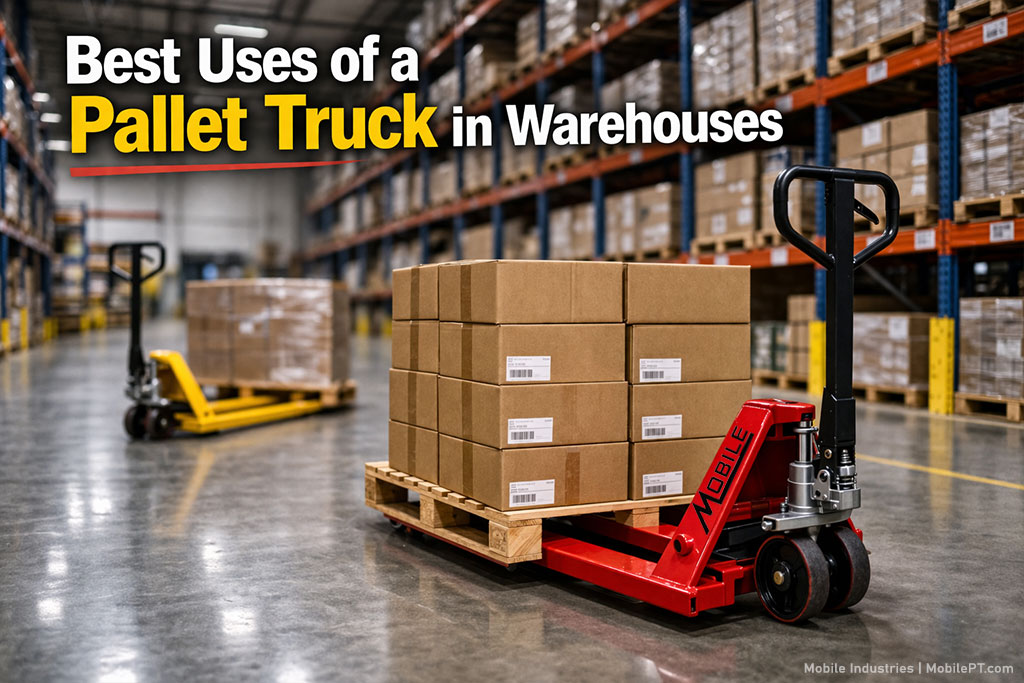
A pallet truck is one of the most useful pieces of equipment on a warehouse floor. It may not be as large or as advanced as a forklift, but for many day-to-day tasks, it is the tool that keeps materials moving efficiently. From receiving shipments to staging outbound freight, pallet trucks play a practical role in nearly every type of warehouse environment.
The reason they remain so widely used is simple. They are versatile, easy to operate, cost-effective, and well suited for moving palletized goods across short distances. Whether a warehouse uses manual models, electric units, or a mix of both, understanding the best uses of a pallet truck can help improve workflow and reduce unnecessary strain on staff.
Here is a closer look at where pallet trucks provide the most value inside warehouse operations.
What Is a Pallet Truck?
A pallet truck is a material handling device designed to lift a pallet slightly off the floor and move it horizontally from one location to another. In most warehouses, pallet trucks are used for ground-level transport rather than vertical stacking.
Common types of pallet trucks include:
- Manual pallet trucks
- Electric pallet trucks
- Low-profile pallet trucks
- Scale pallet trucks
- Heavy-duty pallet trucks
Each type has its place, but the core purpose stays the same: moving palletized goods safely and efficiently within a warehouse.
1. Receiving Incoming Inventory
One of the best uses of a pallet truck is in the receiving area. When products arrive on pallets, they often need to be moved from the trailer or unloading zone to a nearby receiving or inspection area.
A pallet truck helps warehouse teams:
- Unload inbound pallets
- Move shipments to inspection stations
- Transfer goods to temporary holding zones
- Organize inbound inventory before put-away
For short-distance receiving tasks, pallet trucks are often quicker and more practical than waiting for larger equipment. In smaller warehouses, they may handle the majority of receiving movement on their own.
2. Moving Pallets to Staging Areas
Staging is one of the most common warehouse functions, and pallet trucks are ideal for it. After inventory is received or picked, it often needs to be placed in a staging area until it is ready for the next step.
A pallet truck is perfect for moving goods:
- From receiving to storage staging
- From picking zones to packing areas
- From production to finished goods staging
- From packing to outbound shipping lanes
Because staging usually involves floor-level transport rather than high lifting, pallet trucks are a practical fit for this type of work.
3. Supporting Packing and Shipping Workflows
A busy packing and shipping department depends on constant movement. Products are picked, packed, wrapped, labeled, and organized for outbound transport. A pallet truck helps keep this process flowing smoothly.
Warehouse staff commonly use pallet trucks to:
- Bring goods to packing stations
- Move completed orders to shrink-wrap areas
- Position finished pallets near loading docks
- Reorganize outbound freight by route or carrier
This type of frequent short-range movement is exactly where pallet trucks perform best. They help reduce delays and make it easier to keep shipping zones clean and organized.
4. Repositioning Inventory on the Warehouse Floor
Not every pallet movement is part of receiving or shipping. In many warehouses, pallets need to be repositioned constantly throughout the day. Inventory may need to be shifted to open space, brought closer to picking zones, or adjusted to improve flow.
A pallet truck makes these quick adjustments easy.
Typical repositioning uses include:
- Moving pallets within aisles
- Adjusting floor-level storage layouts
- Creating room for incoming stock
- Bringing fast-moving inventory closer to active work areas
Because pallet trucks are compact and simple to operate, employees can make these moves quickly without interrupting the rest of the operation.
5. Handling Goods in Tight Spaces
One of the biggest advantages of a pallet truck is maneuverability. Warehouses often have narrow aisles, trailer interiors, tight dock spaces, and compact backroom storage areas where larger equipment is difficult to use.
Pallet trucks work well in:
- Delivery trailers
- Narrow stockrooms
- Small warehouse corners
- Tight packing areas
- Retail backroom environments
In these spaces, pallet trucks provide flexibility that larger machines cannot. For many businesses, that alone makes them essential.
6. Supporting Order Picking Operations
In warehouses where order picking is done at ground level, pallet trucks help employees move collected goods efficiently from one area to another. Once products are picked and placed on a pallet, the pallet truck allows workers to move the load to a packing, labeling, or staging area without delay.
This is especially useful in:
- E-commerce fulfillment centers
- Wholesale warehouses
- Retail distribution operations
- Spare parts and supply warehouses
Even if forklifts are used elsewhere in the building, pallet trucks often support the final movement steps that keep picking operations efficient.
7. Serving as Everyday Backup Equipment
Even in warehouses that rely heavily on forklifts and electric machines, pallet trucks still matter. They serve as dependable backup equipment for light-duty tasks and situations where powered units are unavailable.
This makes them valuable for:
- Temporary overflow workload
- Quick moves that do not justify larger equipment
- Downtime when powered equipment is charging or being serviced
- Departments that only need occasional pallet movement
A warehouse that has several pallet trucks on hand usually has more flexibility when the floor gets busy.
Why Pallet Trucks Still Matter in Modern Warehouses
With so much focus on automation and powered machinery, it can be easy to overlook how valuable a simple pallet truck still is. But warehouses continue to rely on pallet trucks because they solve everyday movement challenges quickly and affordably.
They remain popular because they are:
- Easy to use
- Cost-effective
- Compact
- Low maintenance
- Versatile across many warehouse tasks
For short-distance pallet movement, few tools are as practical.
Final Thoughts
The best uses of a pallet truck in warehouses come down to one thing: keeping materials moving efficiently at floor level. From receiving and staging to packing, shipping, and inventory repositioning, pallet trucks support the everyday tasks that make warehouse operations run smoothly.
Whether a facility uses one pallet truck or several pallet trucks across multiple departments, this equipment continues to offer real value. It is simple, dependable, and highly effective for the kind of short-range pallet movement that happens all day in warehouse environments.
For warehouses focused on practical workflow, efficient handling, and operational flexibility, pallet trucks remain one of the smartest tools on the floor.
Frequently Asked Questions
What is a pallet truck used for in a warehouse?
A pallet truck is used to lift and move palletized goods across short distances in a warehouse. Common uses include receiving shipments, staging orders, supporting packing and shipping, and repositioning inventory at floor level.
Are pallet trucks better than forklifts for some warehouse tasks?
Yes, pallet trucks are often better than forklifts for short-distance ground-level moves, especially in tight spaces, packing areas, trailers, and smaller warehouse sections where larger equipment is unnecessary.
What are the main types of pallet trucks?
Common types of pallet trucks include manual pallet trucks, electric pallet trucks, low-profile pallet trucks, scale pallet trucks, and heavy-duty pallet trucks. Each is designed for specific material handling needs.
Why do warehouses still use pallet trucks?
Warehouses still use pallet trucks because they are affordable, easy to operate, low maintenance, and highly practical for everyday pallet movement. They are one of the most dependable tools for short-distance transport.
Can pallet trucks be used in small warehouses?
Yes, pallet trucks are ideal for small warehouses because they are compact, maneuverable, and well suited for limited spaces where goods need to be moved quickly and efficiently.