
Electric Self-Propelled Equipment for High-Volume Material Movement
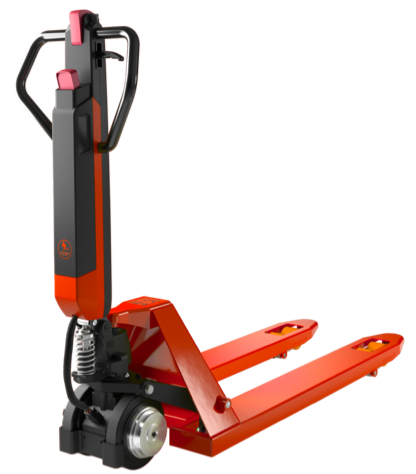
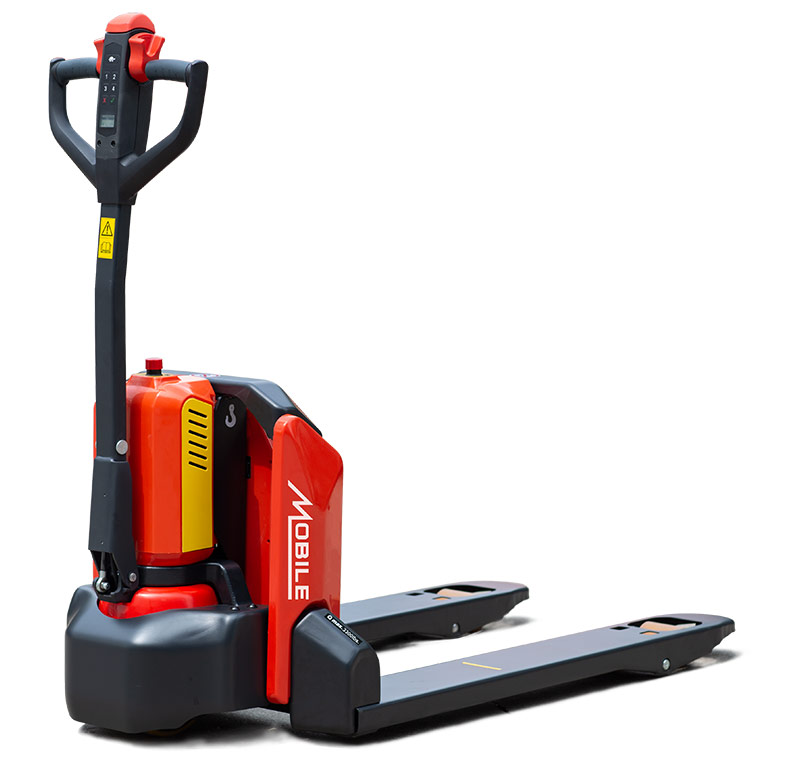
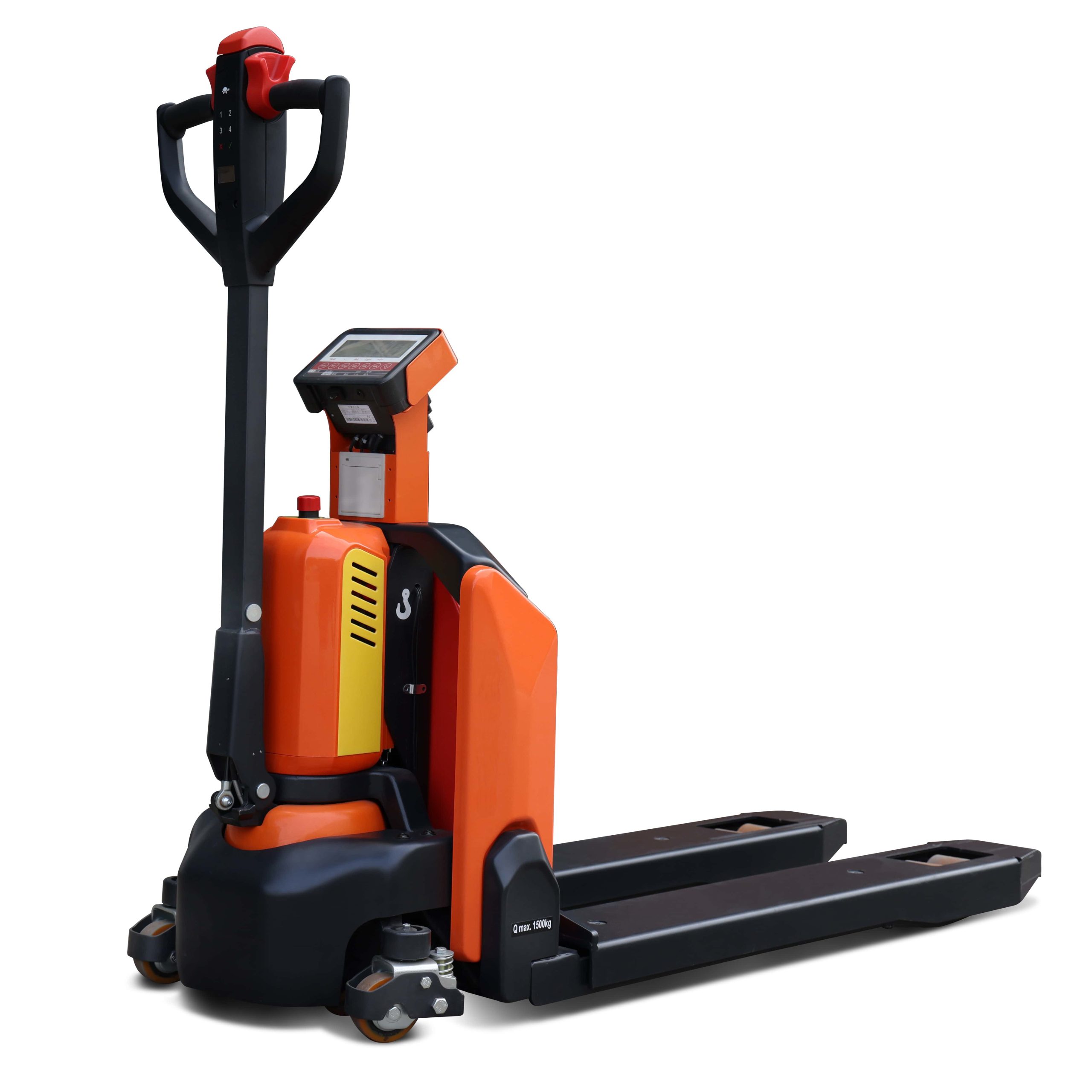
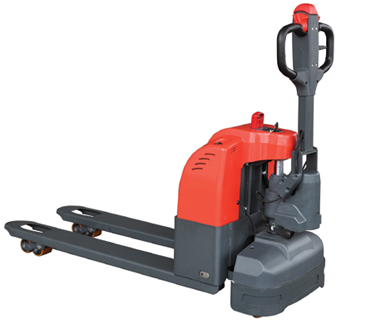
Self-propelled material handling equipment uses electric drive power to move loads with less manual pushing and pulling across warehouses, production plants, distribution operations, and shipping areas. Mobile Industries offers semi-electric and full-electric pallet trucks, walkie and ride-on trucks, low-lift and full-electric stackers, reach-style machines, counterbalance stackers, power tugs, and motorized platform carts. The best choice depends on the load path. Floor-level pallet transport, elevated storage, towing, and non-pallet movement each require different equipment. Capacity, travel distance, lift height, operator position, aisle width, battery system, and daily throughput should be evaluated together.
Self-Propelled Equipment Selection Chart
| Powered Equipment Type | Best For | Primary Advantage |
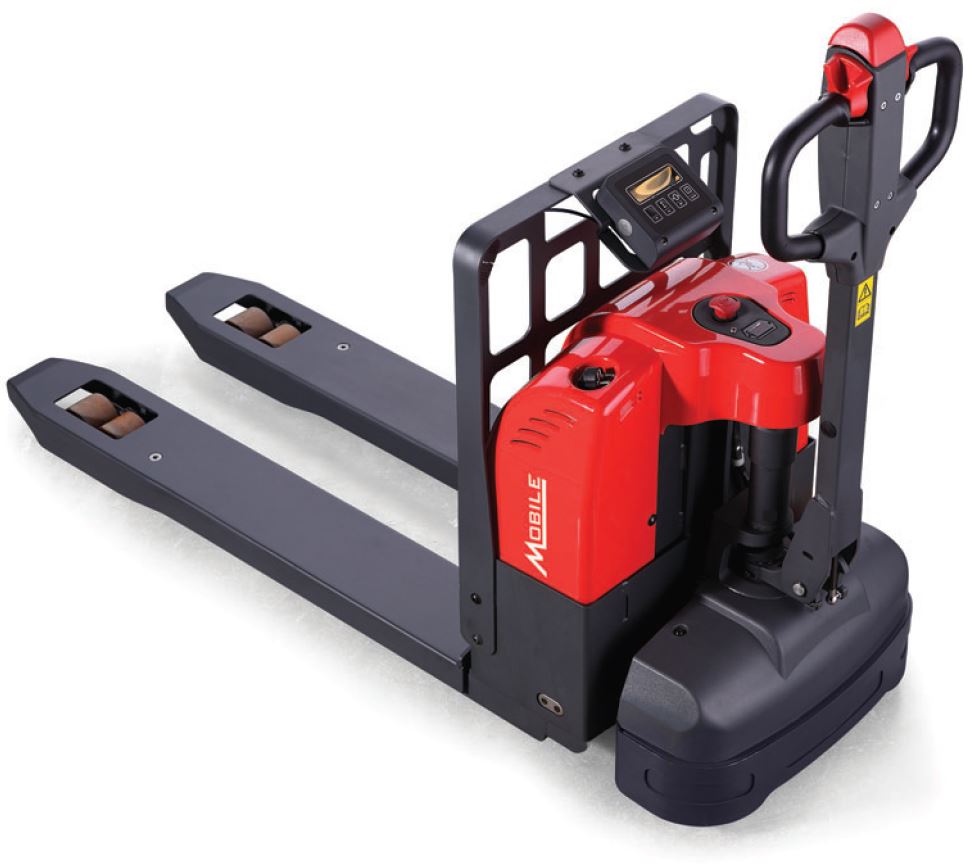
| Semi-Electric Pallet Truck | Moderate pallet movement | Powered assistance with a simpler configuration |
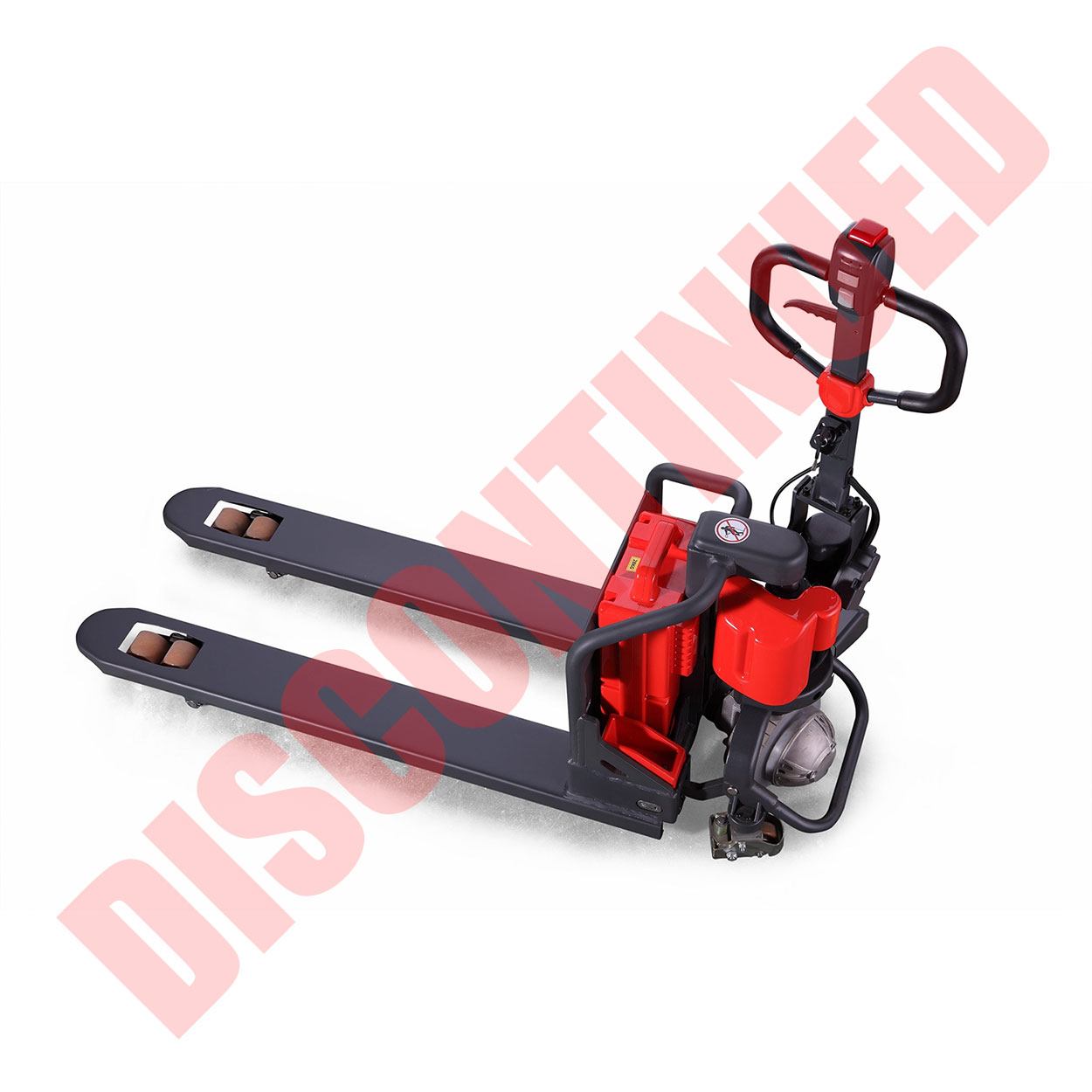
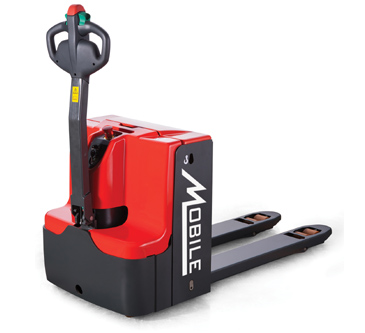
| Full-Electric Walkie Pallet Truck | Frequent floor-level pallet travel | Powered travel in compact warehouse routes |
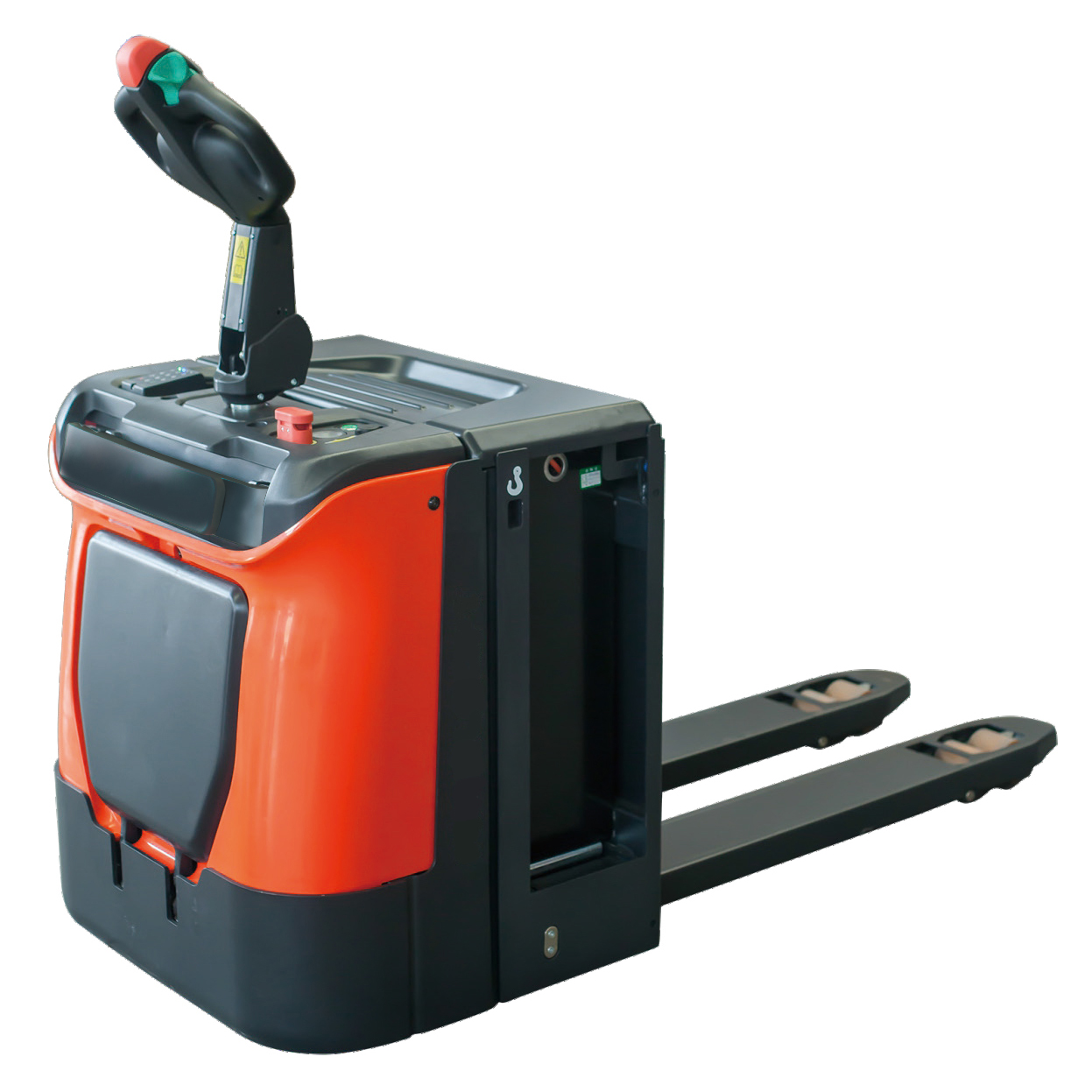
| Ride-On Pallet Truck | Longer routes and high throughput | Reduces operator walking |
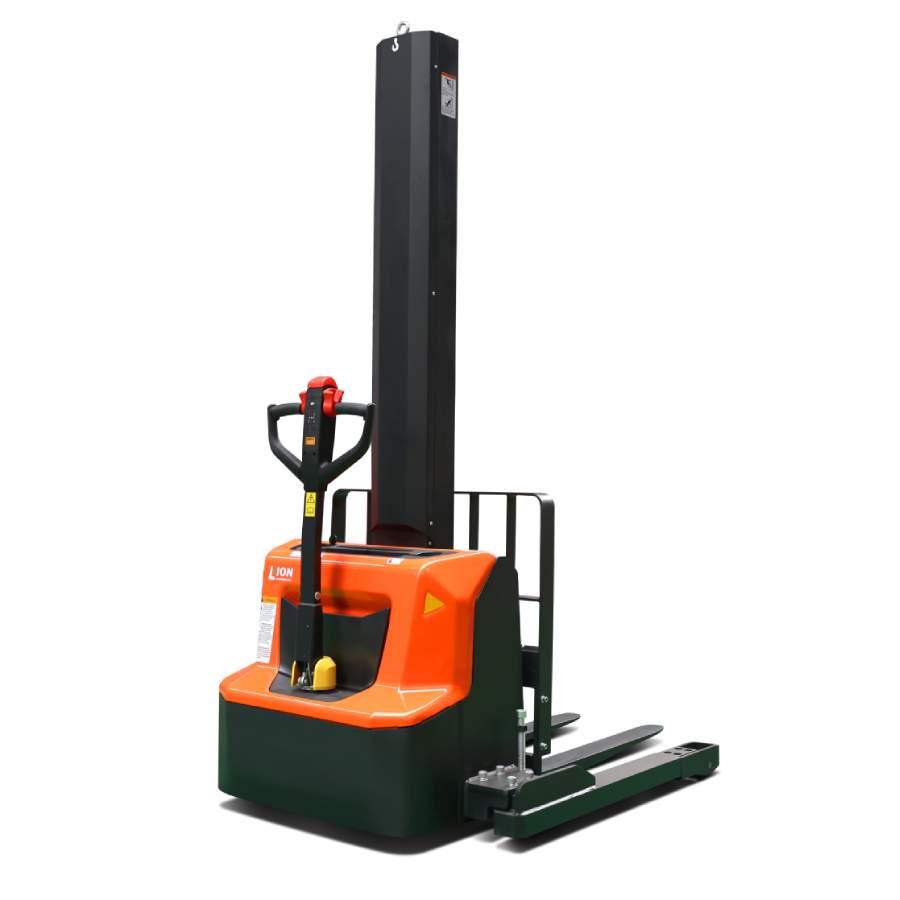
| Electric / Low-Lift Stacker | Transport plus vertical positioning | Adds lift capability to powered movement |
| Reach / Counterbalance Stacker | Higher or specialized storage access | More flexible pallet placement |
| Power Tug / Motorized Cart | Towing and non-pallet loads | Powered movement beyond pallet handling |


How to Choose Powered Pallet Trucks, Stackers and Tugs
Separate the job into travel, lift, and load requirements. If pallets remain at floor level, a walkie or ride-on pallet truck may provide the needed productivity without a mast. If the load must be raised into storage, compare stacker and reach configurations by lift height, load center, pallet type, and aisle geometry. For carts, trailers, or non-pallet loads, a power tug or motorized platform cart may be the better fit. Battery capacity should be matched to route length, operating hours, shift pattern, and charging opportunities. Also review operator position, turning radius, dock conditions, floor transitions, and anticipated volume growth. Choosing the correct powered format can prevent both undersizing and unnecessary equipment complexity.
Before choosing equipment, confirm:
- Load type, capacity, and load center
- Floor-level travel versus vertical storage requirements
- Route length, aisle width, turning radius, and dock conditions
- Walkie, ride-on, stacker, reach, tug, or cart configuration
- Battery runtime, charging plan, shifts, and expected throughput
Frequently Asked Questions
What does self-propelled material handling equipment mean?
Self-propelled equipment uses an electric drive system to move the machine and load rather than relying entirely on the operator to push or pull it manually.
What is the difference between walkie and ride-on pallet trucks?
Walkie trucks are controlled while the operator walks behind or beside the machine, while ride-on models include a platform and are better suited to longer routes or higher throughput.
When do I need an electric stacker instead of a powered pallet truck?
Choose an electric stacker when the operation requires vertical lifting or pallet placement at elevated positions. A powered pallet truck is mainly intended for floor-level transport.
What are power tugs used for?
Power tugs provide powered towing or movement for carts, trailers, and other loads that are not necessarily palletized.
How should I size the battery for self-propelled equipment?
Battery selection should account for operating hours, route length, load weight, lift frequency, number of shifts, charging time, and available charging opportunities.