
Warehouse Stackers for Pallet Lifting and Work Positioning
Warehouse stackers give U.S. facilities a compact way to lift, position, and stage palletized or platform-supported loads without assigning a full-size forklift to every vertical handling task. Mobile Industries offers manual winch stackers, hydraulic stackers, platform stackers, semi-electric models, battery hydraulic units, self-lifting designs, and other specialized configurations for warehouses, stockrooms, production areas, and receiving departments. Choosing the right stacker starts with the load itself: capacity, lift height, pallet construction, fork style, mast clearance, aisle width, and operating frequency all affect which design will fit the application.
Warehouse Stacker Comparison Chart
| Stacker Type | Ideal Application | Selection Advantage |
| Manual Winch Stacker | Light, occasional vertical positioning | Simple operation with no battery system |
| Manual Hydraulic Stacker | General pallet and material lifting | Hydraulic lift for routine warehouse tasks |
| Semi-Electric Stacker | Frequent lifting with limited travel | Powered lift without full electric complexity |
| Battery Hydraulic / Electric Stacker | Higher-cycle warehouse handling | Reduced manual effort for repeated lifts |
| Platform / Self-Lifting Stacker | Parts, totes, specialty workflows | Purpose-built handling beyond standard pallets |


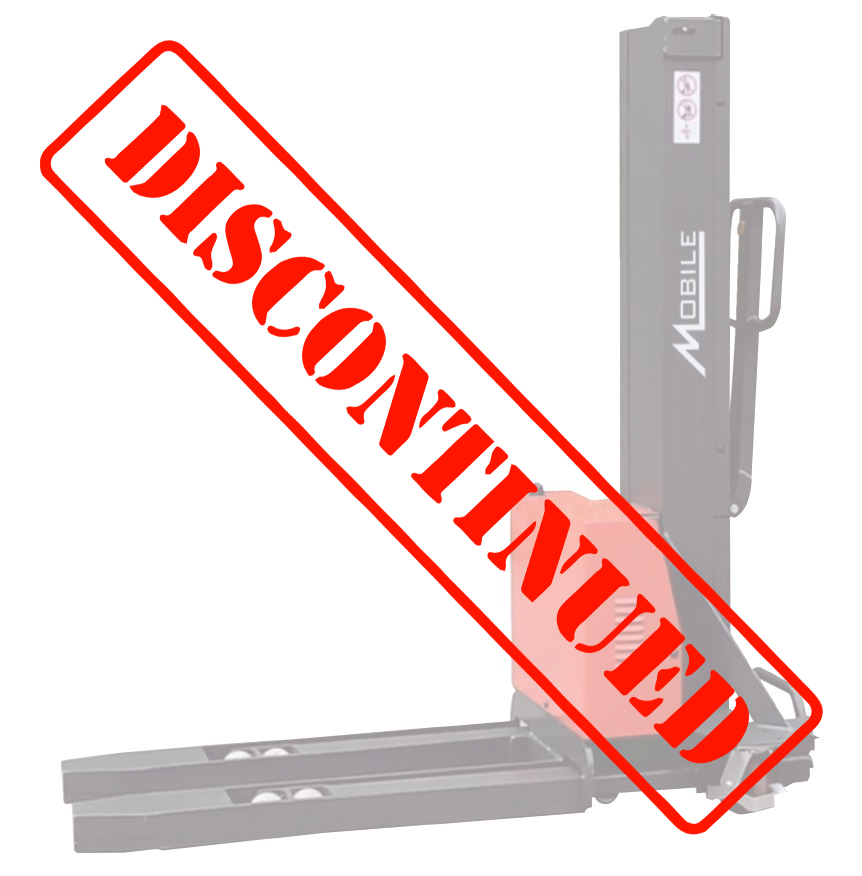


How to Select a Pallet Stacker for Your Facility
Start by mapping the full lift cycle, not just the maximum weight. Measure the lowest pickup point, highest placement height, collapsed mast height, door clearances, working aisle width, and the space required to turn with the load. Pallet design also matters because straddle, fork-over, fixed-fork, adjustable-fork, and platform configurations do not interact with every pallet the same way. For occasional work, a manual stacker can be economical and easy to maintain. For repeated lifting or busier operations, semi-electric or powered stackers can improve throughput and reduce pumping effort. Buyers should also consider service access, wheel type, floor condition, expected lift cycles, and whether future storage changes could require additional height or capacity.
Before choosing equipment, confirm:
- Maximum load weight and load center
- Required lift height and lowered mast height
- Pallet construction, fork entry, and fork configuration
- Working aisle width, doorway clearance, and turning area
- Manual, semi-electric, or powered duty requirements
Frequently Asked Questions
What does a warehouse stacker do?
A warehouse stacker lifts and positions pallets, totes, platforms, or compatible loads for storage, production, loading, unloading, and work-positioning tasks.
When should I use a stacker instead of a forklift?
A stacker can be a strong choice for indoor, light-to-medium-duty vertical handling where aisle space is limited and the operation does not need the capacity, outdoor performance, or attachment versatility of a full-size forklift.
What is the difference between manual and semi-electric stackers?
Manual stackers rely on manual operation for lifting and travel, while semi-electric models typically use battery power for the lifting function and manual effort for movement.
Why does pallet design matter when choosing a stacker?
Support legs, fork style, pallet openings, bottom boards, and pallet dimensions affect whether a stacker can enter, support, and place the load correctly.
What measurements should I take before buying a stacker?
Measure the heaviest load, load center, pallet dimensions, required lift height, lowered mast height, doorways, overhead clearance, aisle width, and turning space.